Asmara Font: A Handwritten Typeface for Creative Makers
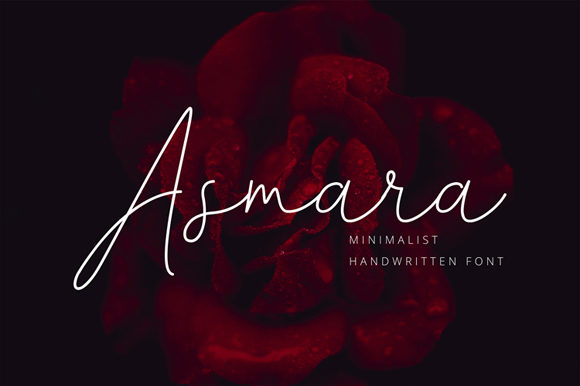
There’s something magical about the right font. It doesn’t just sit on a label or a card—it tells a story, sets a tone, and invites connection. Asmara is one of those fonts. The moment I added it to my candle labels, I knew it would become a staple in my creative toolkit. With its clean, thin strokes and smooth flow, it feels like a whisper of elegance that fits perfectly into handmade and design-forward products.
Bringing Asmara to Life in My Shop
Recently, I was prepping a batch of seasonal candles for fall. I had everything ready—natural soy blends, wooden wicks, and glass jars with soft amber hues. But the label felt off. I wanted something that matched the warmth of the scent and the simplicity of the packaging. That’s when I reached for Asmara.
I opened up Canva and began playing around with different layouts. Asmara immediately stood out. Its handwritten style wasn’t too playful or too formal; it was just right. I paired it with a muted earthy background and let the font breathe. The result? Labels that felt both modern and personal, as if each candle was hand-penned by me for every customer.
From Invitations to Merchandise: Where Asmara Shines
Asmara isn’t limited to candles. Over the past few months, I’ve used it across a variety of projects, including:
- Birthday invitations with custom thank-you notes
- Farmhouse-style wall signs for a cozy home décor line
- Wedding welcome boards that guests loved taking photos with
- Printable wall art previews for digital buyers
- Tote bag designs where the name of the product needed to stand out gently
Each time, Asmara brought a touch of charm without overwhelming the design. It’s versatile enough to work in both editorial and brand settings, yet retains the personality of a handwritten typeface. Whether you're designing for your own shop or creating digital templates for others, this font adds a layer of authenticity and care that customers notice.
Why Asmara Feels Right for Makers
One of the things I love most about Asmara is how it feels. It’s not just a font—it's a mood. It has a quiet confidence, a sense of simplicity with a hint of sophistication. This makes it perfect for branding materials where you want to convey a handmade, thoughtful vibe. It works especially well for logos, packaging, and any text that needs to feel personal but polished.
I’ve also noticed that Asmara reads beautifully in small sizes. When I test-stamped tiny stickers for boutique tags, the font held up impressively. The thin lines didn’t blur, and the characters stayed clear and legible. That kind of reliability is essential when you’re printing physical merchandise or using cutting machines like Cricut or Silhouette.
Designing with Display Fonts Like Asmara
Display fonts are often reserved for headlines or decorative elements, but Asmara walks the fine line between display and body use. While it’s best suited for short phrases, names, and titles, I’ve used it sparingly for longer text in planner pages and found it still maintains a nice rhythm. Just make sure to keep the spacing open and avoid overusing it in dense paragraphs.
Making the Most of Asmara in Branding
Brand identity is everything in today’s handmade market. Your typography can be the subtle detail that ties your entire collection together. I’ve started incorporating Asmara into all my shop assets—product descriptions, social media graphics, and even the header of my website. It helps build a cohesive look that feels intentional and premium.
For stationery designers and invitation creators, pairing Asmara with a simple sans serif or serif font can create beautiful contrast. On wedding invitations, I layered it with a classic serif to balance the romantic script with grounded elegance. For greeting cards, I combined it with a bold, geometric sans serif to add visual interest and clarity.
Readability Tips for Real-World Use
Here’s what I’ve learned from using Asmara in real-life projects:
- Cutting Machines: Make sure to check the included SVG styles if you plan to use it with Cricut or Silhouette. The font translates well into vector format and cuts cleanly on paper, vinyl, and fabric.
- Small Stickers: Because of its thin strokes, it’s ideal for minimalist sticker designs. I recommend avoiding intricate ligatures or swashes in very small sizes to maintain readability.
- Product Mockups: Use it for titles and accents in mockup images. It looks great at 30pt and above and adds a professional finish to listing photos.
- Seasonal Projects: I’ve used Asmara on holiday tags and Christmas printables, and it never fails to deliver a warm, inviting feel. Its versatility makes it perfect for any season or theme.
What to Look for in Commercial Font Licensing
Before diving into commercial use, I always double-check the licensing details. With Asmara, I confirmed that it supports both personal and commercial projects, which is huge when you’re selling anything from mugs to digital downloads. You’ll also want to verify the included file formats (like OTF and TTF) and whether it offers multilingual support, especially if your shop caters to an international audience.
Another thing to consider is the availability of alternates and ligatures. These little variations can add unique character to your designs without needing to switch fonts. I’ve found them especially useful when creating boutique tags or custom mug designs where a slightly different letterform can elevate the whole piece.
Pairing Asmara with Other Fonts
Font pairing is an art, and Asmara plays nicely with many styles. Here are some combinations I’ve tested successfully:
- With Clean Sans Serifs: Think Helvetica or Lato. Great for balancing a soft script with a modern edge.
- With Simple Serifs: Pair it with Georgia or Garamond for a timeless look that still feels fresh.
- With Bold Display Fonts: Contrast it with something strong like Bebas Neue for a striking visual hierarchy.
These pairings help highlight Asmara’s strengths while ensuring the rest of your design remains functional and easy to read.
A Thoughtful Touch for Every Product
When you’re a maker, every detail matters. From the texture of the paper to the color of the ink, you’re curating an experience. Typography is no exception. Choosing a font like Asmara allows you to express your brand’s voice subtly but powerfully. It’s not just about looking good—it’s about feeling good. And in a handmade space, that emotional appeal can be the difference between a customer scrolling past and them hitting “add to cart.”
Whether you’re designing for your Etsy shop, local boutique, or digital template store, Asmara brings a quiet elegance that resonates. It’s not loud, but it’s memorable. It’s not flashy, but it’s full of character. And that’s exactly what handmade products need to stand out in a crowded market.
So next time you’re choosing a font for your latest project—whether it’s a candle label, a greeting card, or a new line of tote bags—consider Asmara. Let it carry your message with grace and intention, and watch how it enhances your creative work.